The Apartment We Wanted from The Drama
The Drama, interior design, and why we keep decorating for people we have not quite become yet.
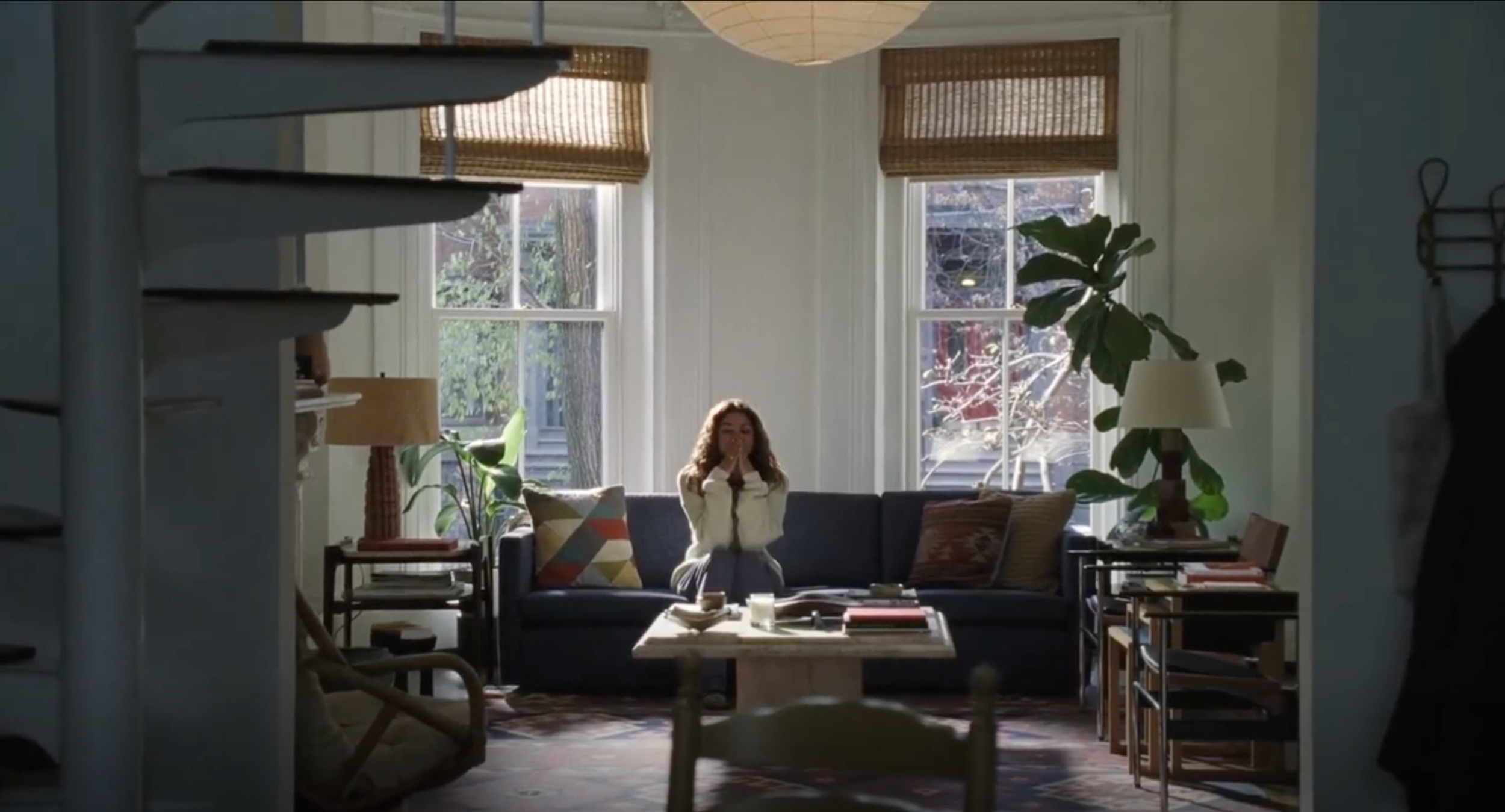
Yes, I did spend an embarrassing amount of time looking past Zendaya and Robert Pattinson and directly at their apartment when I watched The Drama.
There were warm paper lights, floor-to-ceiling bookshelves, vintage furniture, art that looked collected rather than ordered, and a spiral staircase built for pacing during a relationship crisis. It was the kind of home that appears to have developed naturally over many years, although someone had, of course, arranged every centimeter of it for the camera.
I wanted to pause the film and inspect the lamps. This is apparently how I process emotional tension now.
The apartment belongs to Emma, a literary editor, and Charlie, a museum curator: two professions that conveniently explain a suspiciously good collection of books, art and mid-century furniture. Their home looks intellectual but comfortable, expensive but not freshly purchased. It is beautiful in the particular way that makes you imagine the Sunday mornings, dinner parties and emotionally mature conversations that must happen there.
Unfortunately, the people living in it are still people.
A home that looks like a relationship
The apartment is not just a beautiful setting. It quietly introduces the couple before the story begins to pull them apart. Charlie appears to have shaped much of the space. His life in museums is visible in the art, the Knoll furniture and the careful mix of periods. Emma is present through the books and the less formal details that stop the rooms from feeling like a gallery. Together, the apartment tells us that these are cultured people with stable jobs, shared references and very good lighting.
It looks like a relationship in which two lives have blended successfully. That is what makes it so unsettling when they have not.
I do not think the film is saying that beautiful homes are dishonest. The apartment is not a mask, exactly. It is simply one version of the truth: the version made from the objects they chose together, the routines they have already built and the future they expect to share. But a shared aesthetic is not the same thing as shared understanding. You can agree on a sofa and still discover that you have been living beside a person you do not completely know.
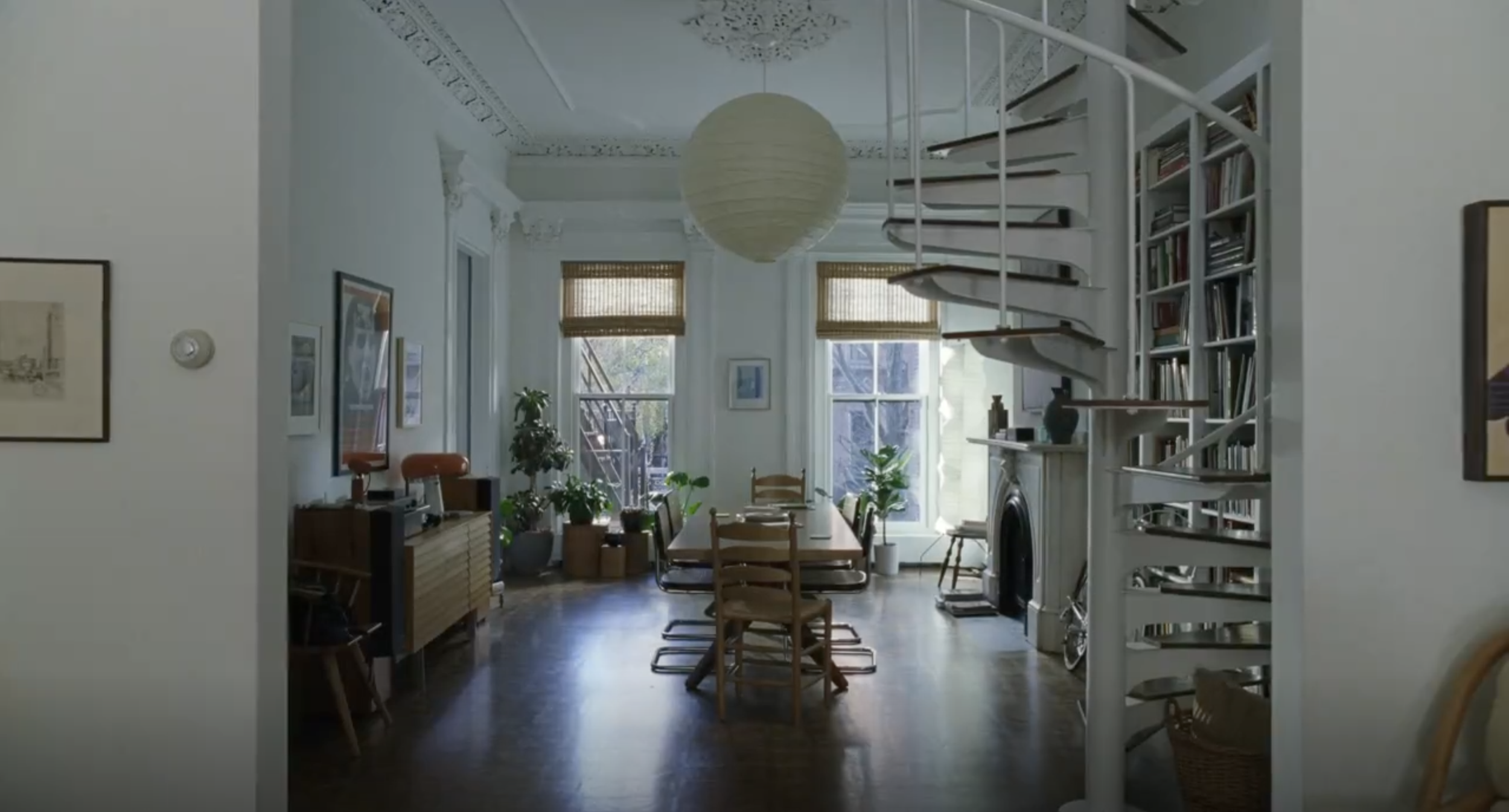
The objects are real. The life around them is partly imagined.
We Decorate for a future tense
I have always found it strange how much hope we place in furniture. We buy a dining table for the dinners we will host. We make room for a second nightstand before another person has arrived. We save photographs of homes that belong to people with calmer schedules, better posture and no visible charging cables. Interior design is often described as self-expression, but I think it is also a form of projection. A home contains who we are, but it also rehearses who we would like to become.
I do not want a paper lamp only because it gives off softer light. I want the evening life implied by that light: reading on the sofa, making dinner slowly, perhaps becoming the sort of person who does not answer messages while eating. The objects are real. The life around them is partly imagined.
This may be why fictional homes are so persuasive. They arrive with the lifestyle already attached. We see the lamp switched on, the books on the shelf and the people moving through the room. A film gives us what a product page cannot: evidence that a life could happen there.
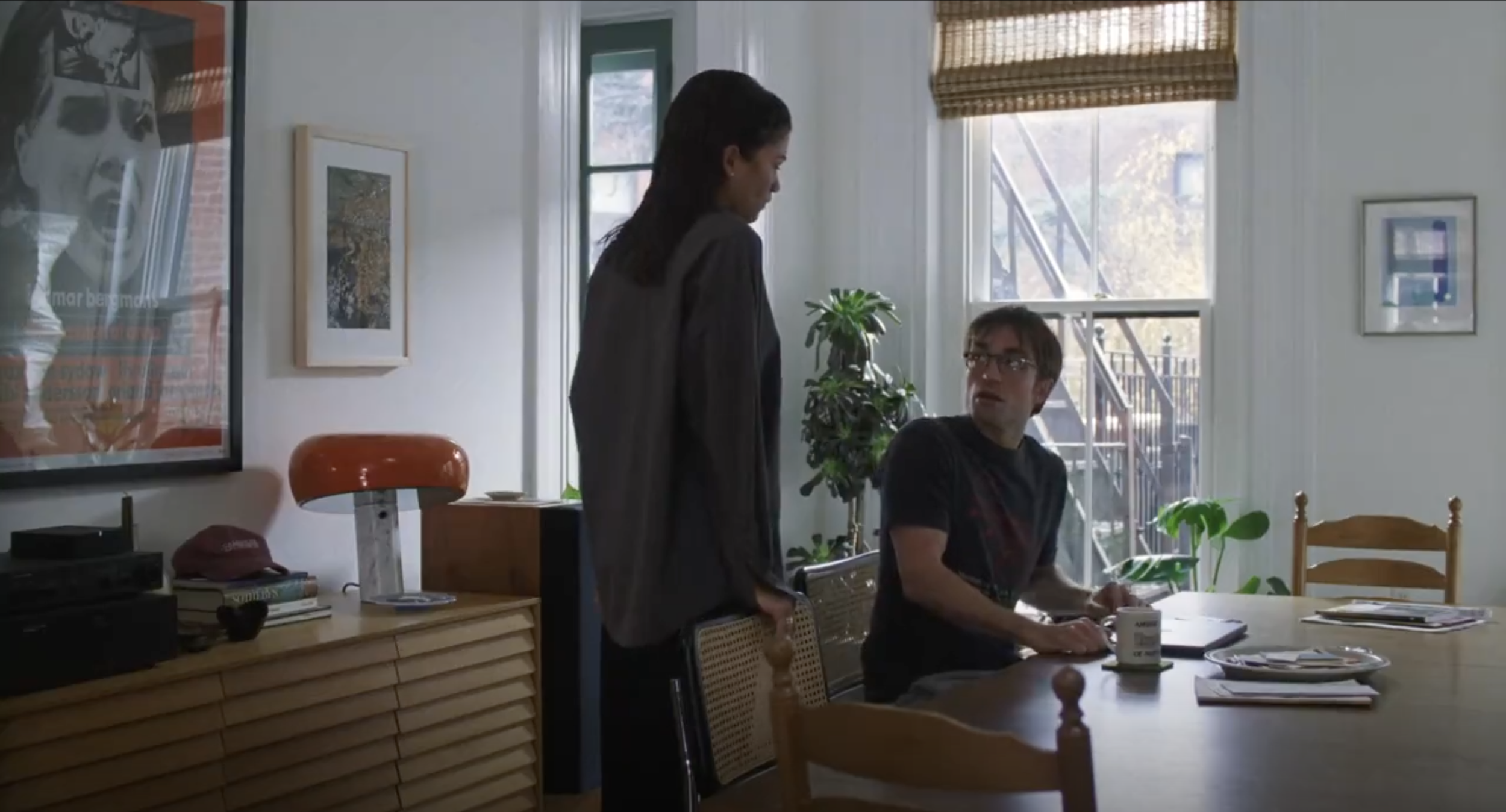
Why movie homes feel more complete than ours
Film interiors have the advantage of editing. There is no ugly router unless it says something important about the character. The laundry rack does not stand behind the sofa for three days. Every ordinary object has either been removed or promoted into production design.
The best sets do not simply look good; they make a character legible. The precise emptiness of American Psycho tells us something very different from the quiet, repetitive comfort of Perfect Days. Parasite turns stairs, windows and levels into a social system. Her surrounds loneliness with warm colour and soft technology.
The Drama gives us a home that feels accumulated, cultivated and shared. Then it lets emotional chaos move through it. Perhaps that is why the apartment stayed with me. It is aspirational, but not untouched. It is filled with the evidence of a life, even when that life is becoming difficult.
Real homes are like this too. They do not become less meaningful when the people inside them change. Sometimes they become more honest.
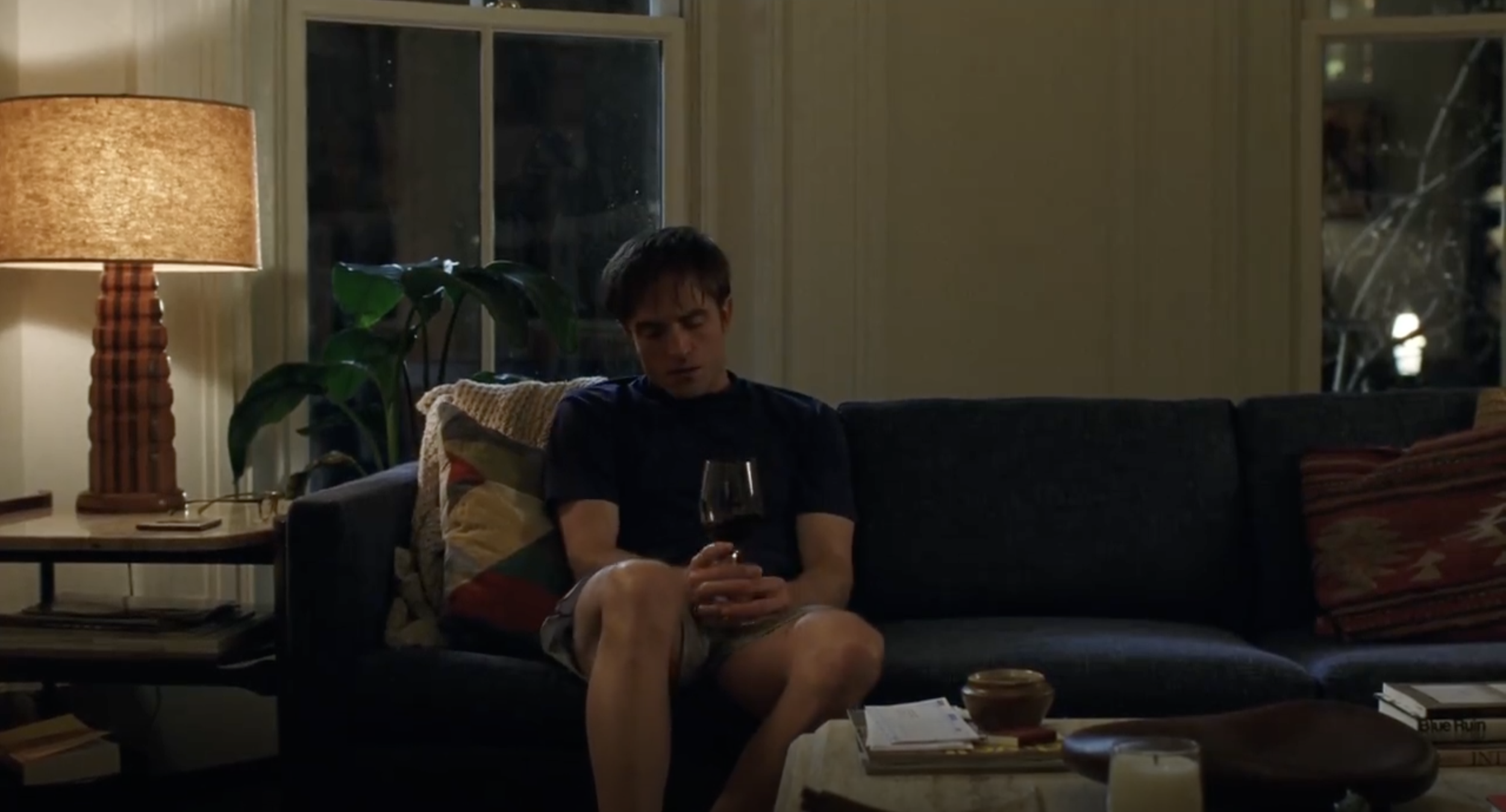
Maybe that is not a reason to stop caring about interiors. Maybe it is a reason to care about them differently.
A room cannot do the emotional work for us
By the end of The Drama, the apartment has not protected Emma and Charlie from uncertainty. It has only given that uncertainty a beautiful place to unfold.
This sounds obvious, but design culture often suggests otherwise. There is always another object that promises calm, intimacy or a more organized self. Sometimes the object genuinely helps. Better light can change an evening. A table can make it easier to sit together. A comfortable chair can persuade us to stay in one place long enough to read. But a room cannot do the emotional work for us.
Maybe that is not a reason to stop caring about interiors. Maybe it is a reason to care about them differently. The homes we love do not have to prove that we have become the people we imagined. They can hold the unfinished version too: the books we have not read, the dinner table covered in projects, the lamp we bought because we hoped evenings might feel softer beneath it.
I still want the apartment from The Drama, obviously. Or at least its paper lights, overflowing bookshelves and one very dramatic staircase. But perhaps what I really want is what I always want from a beautiful fictional home: not the room exactly, but the possibility of another way to live inside it.
