The Mid-Century Cabin Home Office: A Workspace That Feels Like a Cabin in the Woods
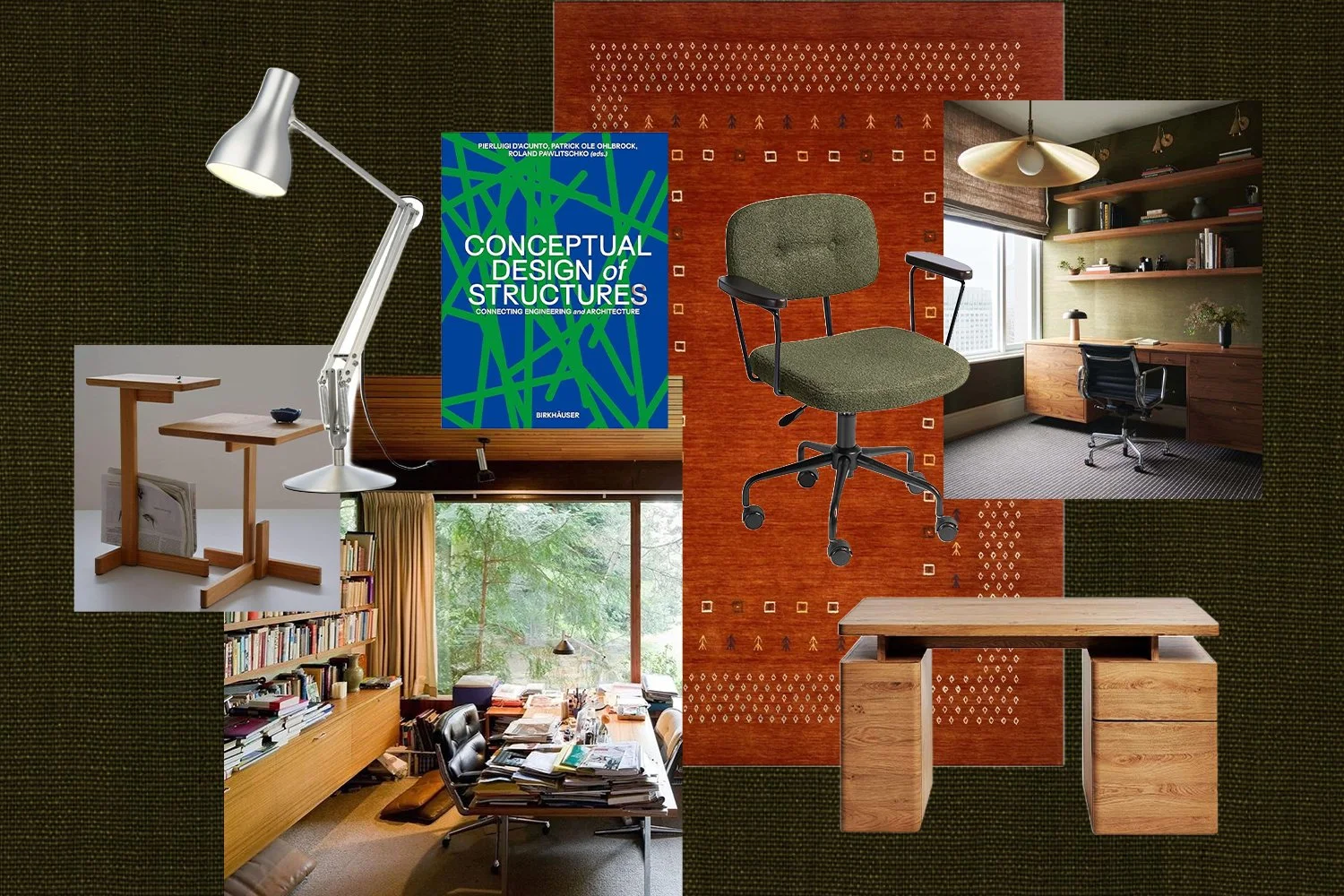
How to create a warm, architectural workspace that feels more like a cabin retreat than a corporate office.
I've always been drawn to spaces that feel lived in rather than perfectly styled. Rooms filled with natural wood, warm lighting, colourful design classics, and objects that quietly collect stories over time. It's less about chasing a particular aesthetic and more about creating an environment that makes slow mornings, focused afternoons, and rainy workdays feel just a little more enjoyable.
If your dream workspace sits somewhere between mid-century modern, Scandinavian design, and a cabin in the woods, these are the pieces I'd start with.
1. Start with a Desk You'll Still Love in Ten Years
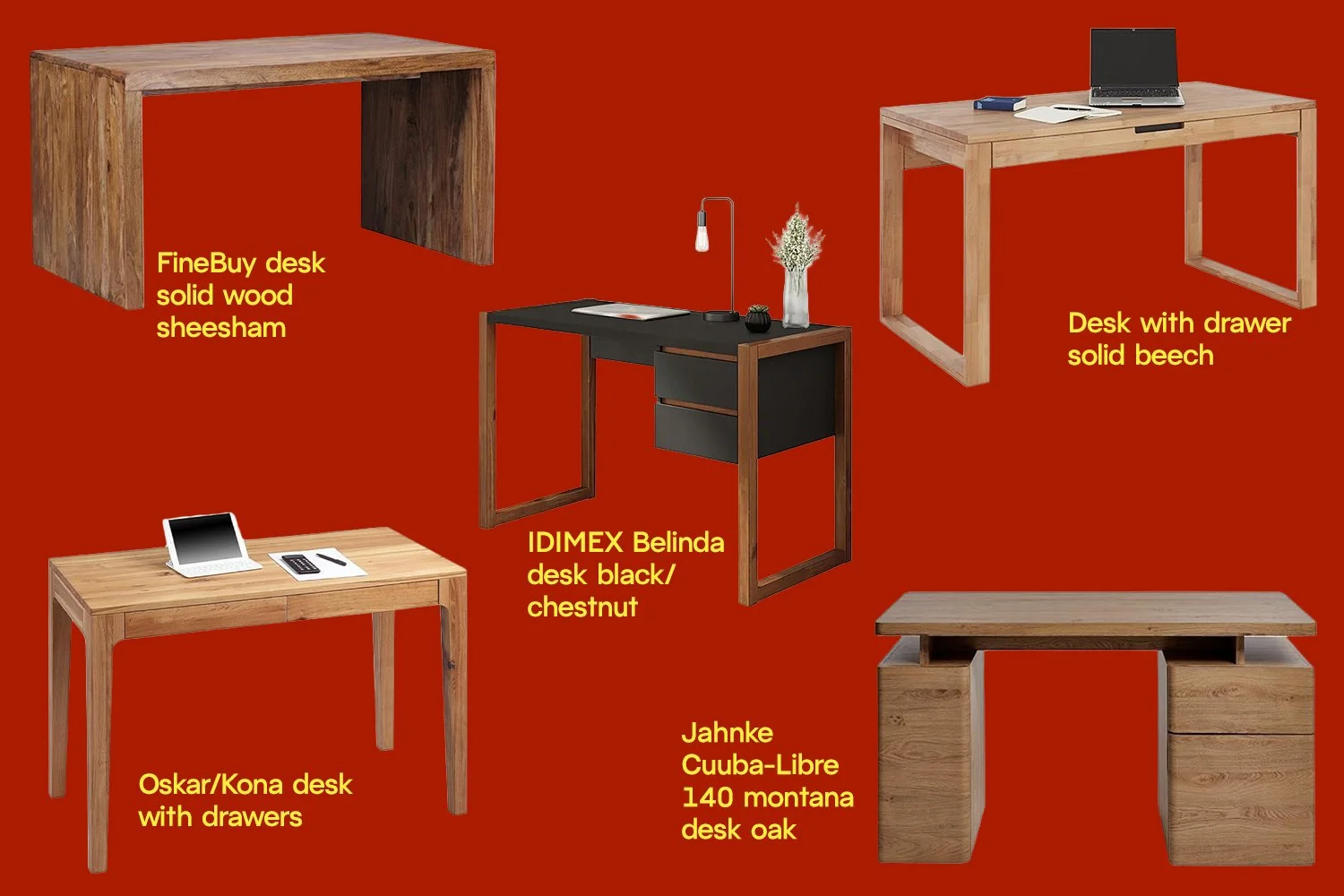
Skip the white desk. Choose wood.
Every good workspace begins with a solid foundation, and for me that's always real wood. Oak and beech bring warmth that instantly softens a room, while their natural grain adds character you simply don't get from laminate. These are the kinds of desks that look even better after years of coffee cups, notebooks, and the occasional scratch from a creative project. Rather than choosing something trendy, invest in a desk that feels timeless. The rest of the room can evolve around it.
Featured products:
2. An Office Chair That Doesn't Look Like an Office Chair
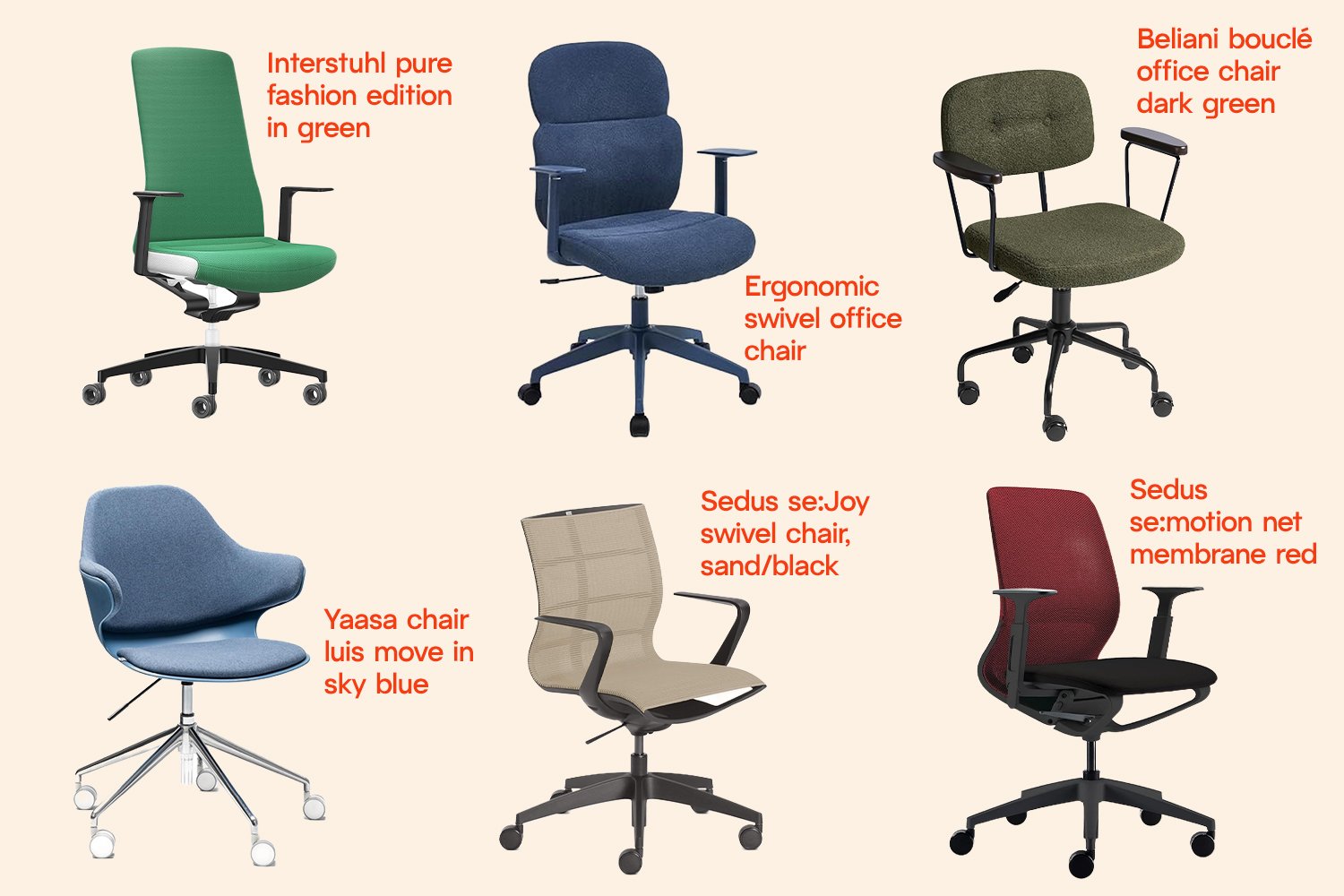
Proof ergonomic doesn't have to be ugly.
Let's collectively retire the idea that ergonomic chairs have to look like they belong in a corporate meeting room. Some of the best designs today prove you really can have both comfort and character. Rich fabrics, earthy colours, and thoughtful silhouettes make these chairs feel like furniture rather than equipment. A beautiful chair also gives you permission to leave it out in the open, instead of wishing you could hide it every evening.
Featured products:
3. Lighting Is What Creates the Mood
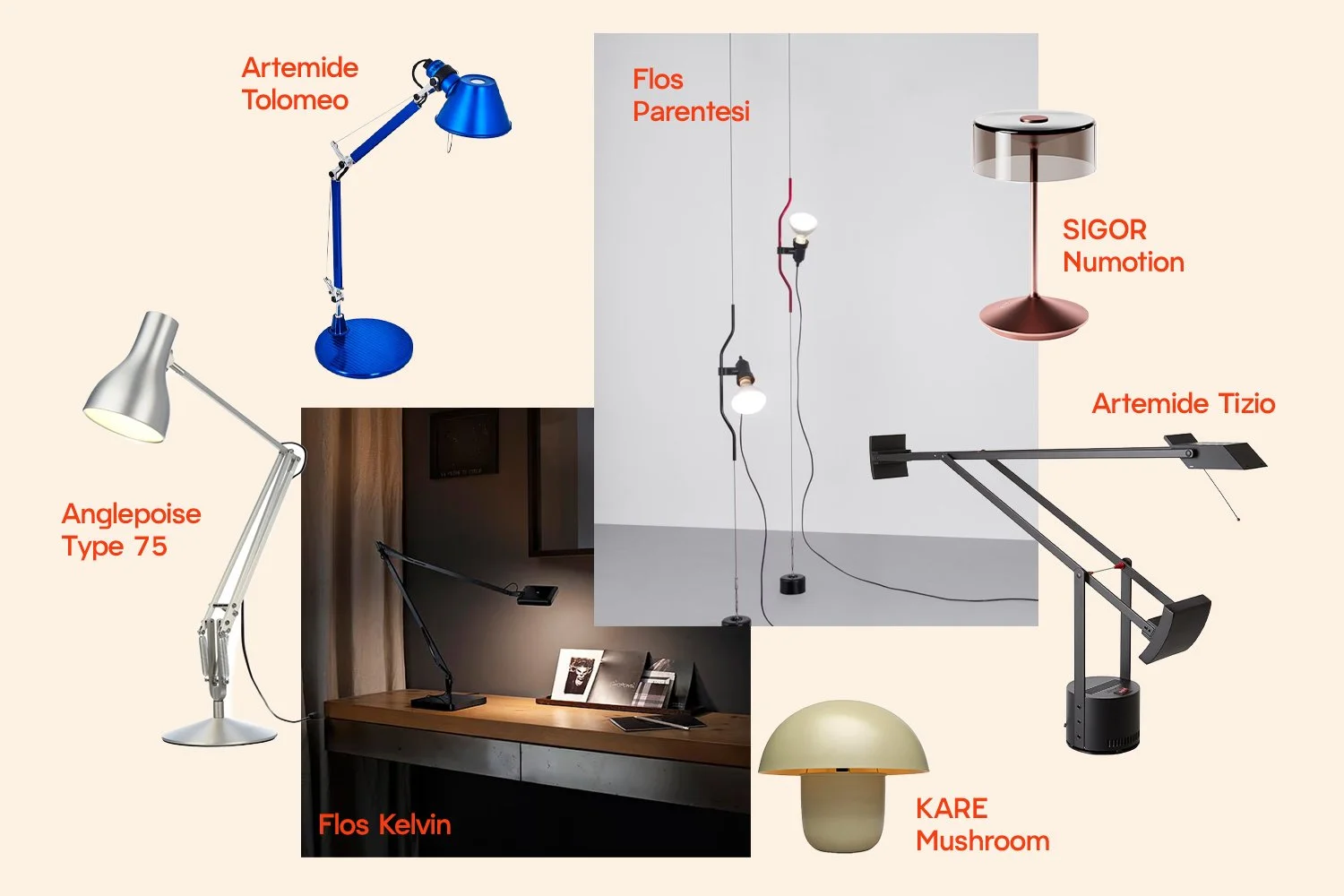
Your ceiling light isn’t enough.
If there's one thing that separates a cozy cabin from a corporate office, it's the lighting. Skip the harsh ceiling light whenever you can and layer softer sources instead. A sculptural desk lamp, a warm floor lamp, or even a small mushroom lamp completely changes how a room feels throughout the day.
Good lighting doesn't just help you see better, it makes you want to stay a little longer.
Featured products:
4. Colour Makes a Room Feel Alive
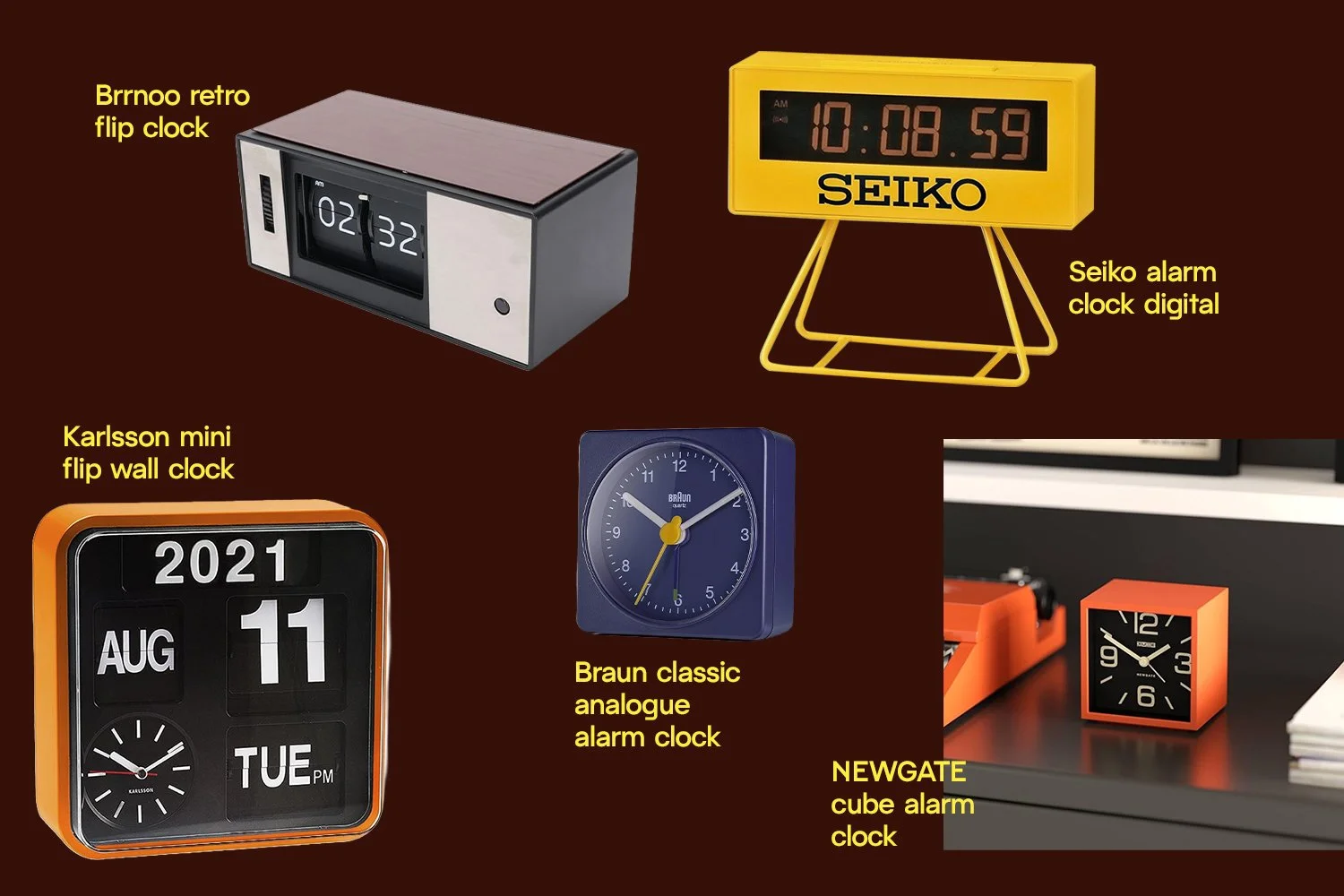
Small colorful objects: the easiest design trick.
One thing I notice in beautifully designed cabins and creative studios is that they rarely rely on neutral colours alone. A burnt orange clock. A mustard-yellow accent. A deep forest green chair. These small moments of colour stop a room from feeling flat while still keeping the overall palette calm and cohesive. You don't need dozens of decorative objects, just a few that know exactly what they're doing.
Featured products:
5. Every Great Workspace Needs Somewhere to Put Your Coffee
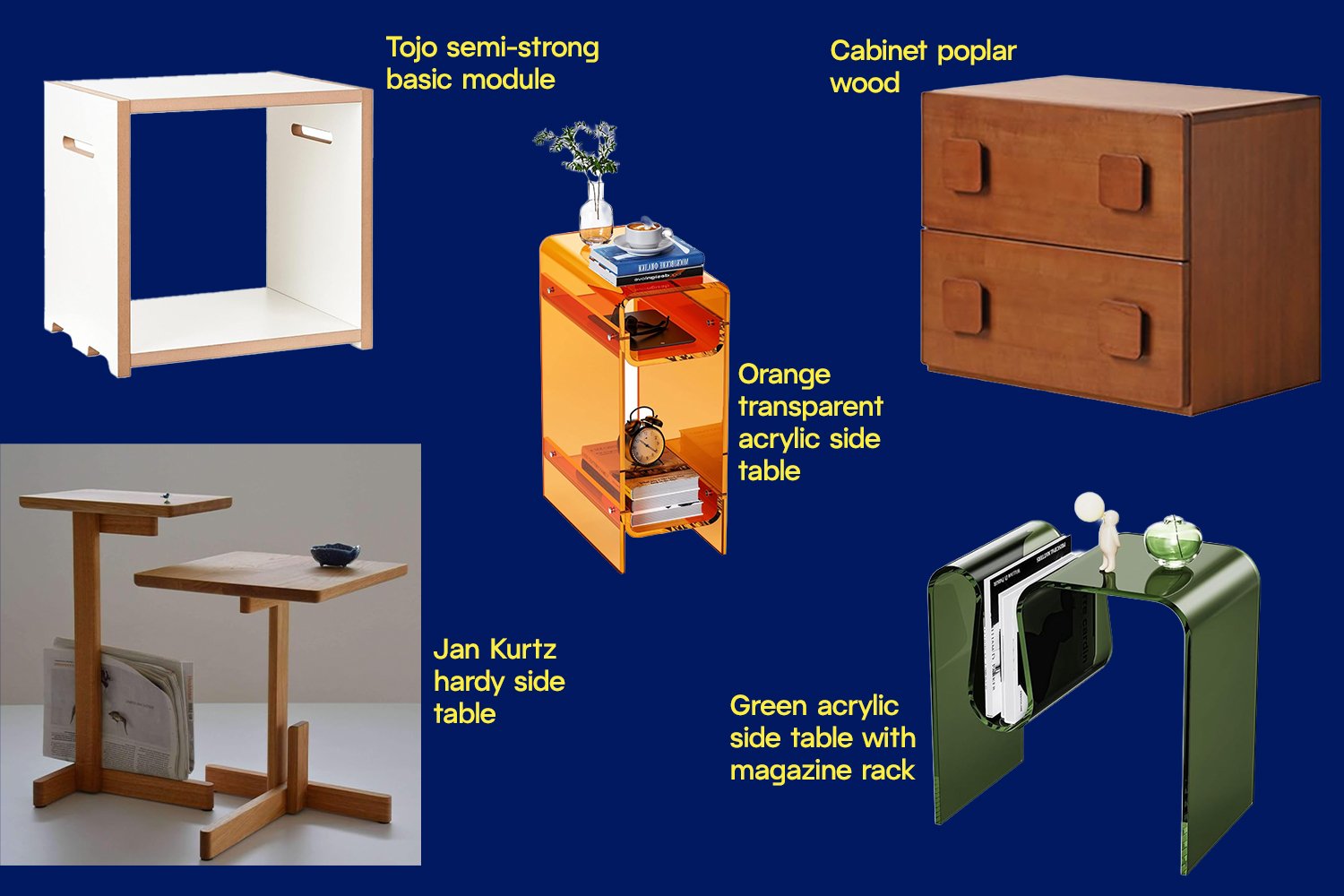
It's one of those pieces you don't think you need until you have one.
No one does their best work glued to a desk all day. A small side table creates space for the rituals that make working from home feel a little more human: your morning coffee, a stack of magazines, the book you're pretending you'll read during lunch, or a candle that somehow makes replying to emails slightly less painful.
Featured products:
6. Books Are the Best Decoration
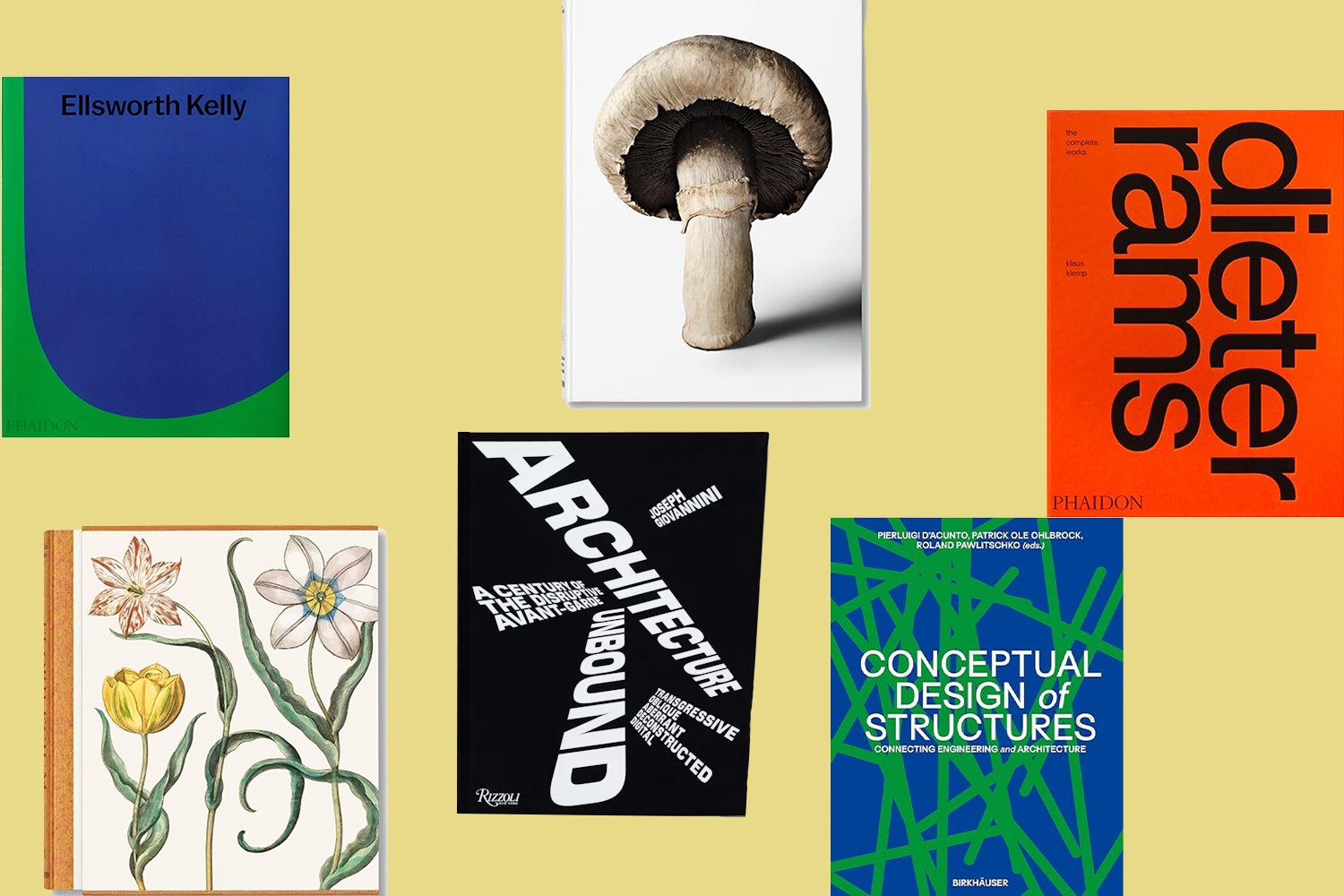
Books you want out on display.
I don't believe in buying books purely because they match your colour palette. The best coffee table books are the ones you'll keep returning to; whether for inspiration, curiosity, or simply because they remind you why you fell in love with design in the first place. Architecture, industrial design, botany, photography... the subjects matter less than the fact they reflect your interests. Over time, they become part of the room's personality.
And if they happen to make your bookshelf look impossibly cool? Well, that's just a bonus.
Featured products:
Architecture Unbound: A Century of the Disruptive Avant-Garde
Conceptual Design of Structures: Connecting Engineering & Architecture
7. Ground the Room with a Rug
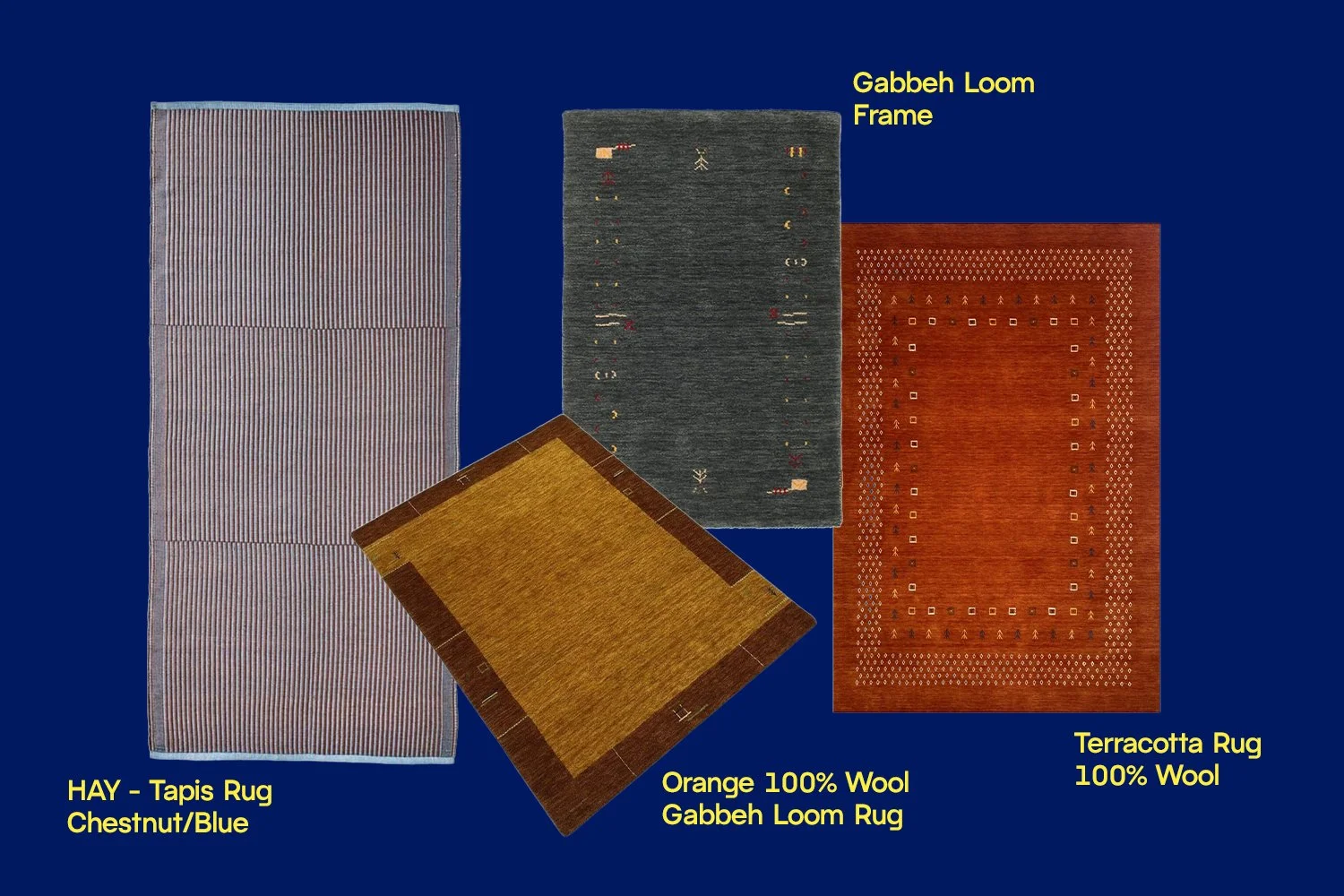
A rug ties in everything together.
One of the quickest ways to make a home office feel less like a workspace is to stop treating it like one. A rug adds warmth, softens acoustics, and visually defines the area, especially in open-plan homes. Earthy colours and natural textures pair beautifully with timber furniture, making the whole room feel quieter and more inviting. It's amazing what one rug can do for a space.
Featured products:
Creating a Home Office You'll Never Want to Leave
A beautiful workspace isn't built in one shopping trip. It's collected slowly. A desk that grows more beautiful with age. A chair that's comfortable enough to lose track of time in. Books that inspire new ideas. Small design objects that make you smile every time you glance away from your screen. Productivity tends to follow naturally when you genuinely enjoy being in a space.
So instead of asking how your home office can help you work more, ask a different question: How can it become a room you never want to leave?
For me, the answer almost always comes back to the same ingredients: warm wood, thoughtful design, meaningful objects, and a little colour. The result isn't just a workspace; it's somewhere that feels calm, creative, and quietly inspiring, whether you're answering emails, sketching ideas, or simply watching the rain through the window with a fresh cup of coffee.
Affiliate disclosure: some of the links in this article are affiliate links. If you choose to purchase through them, I may earn a small commission at no additional cost to you. I only recommend products I genuinely like, would buy myself, or have personally used. Thanks for supporting my work! It helps me keep writing thoughtful guides like this one.
